
Technically Specified Rubber — Natural rubber products that meet international standards
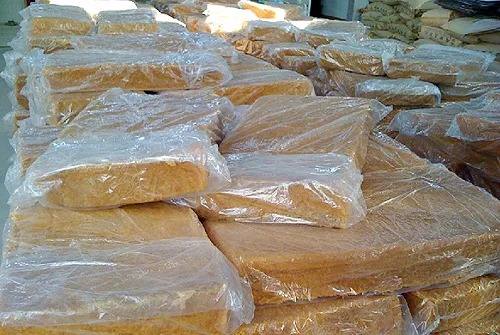
TSR (Technically Specified Rubber) is a natural rubber product produced according to technical specifications established by the International Organization for Standardization (ISO). Through standardized processing of fresh latex or coagulated rubber blocks, it ensures that the physical and chemical properties of the product meet unified technical indicators.
TSR rubber is the most important product form in global natural rubber trade, widely used in tire manufacturing, industrial rubber products, adhesives and other fields. According to key indicators such as impurity content, nitrogen content, volatiles, etc., TSR rubber is divided into multiple grades, including TSR 5, TSR 10, TSR 20, etc. The smaller the number, the higher the purity.
Highest purity grade, impurity content ≤0.05%, suitable for high-end precision rubber products
High purity grade, impurity content ≤0.10%, suitable for high-quality tire tread rubber
Standard grade, impurity content ≤0.20%, widely used in tire manufacturing and industrial rubber
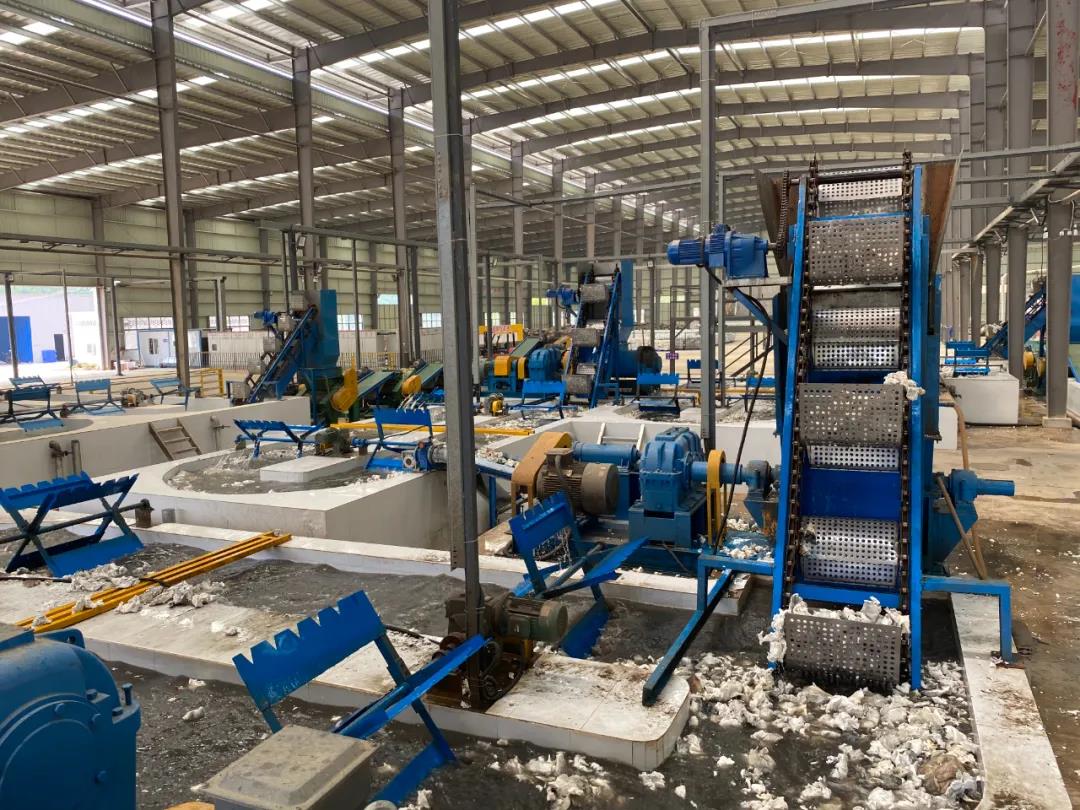
Our TSR rubber production line uses modern equipment, with strict control from raw material collection to finished product packaging, ensuring that each batch of products meets international standards.
Collect fresh latex or high-quality cup rubber from contracted rubber gardens, test dry rubber content, impurity content and other indicators to ensure that raw material quality meets standards.
Send coagulated rubber blocks to crusher for uniform crushing, remove mud, bark and other impurities through multi-stage water washing.
Press into uniform thin sheets by sheeting machine or make standard granules by granulator to facilitate subsequent drying treatment.
Dry in temperature-controlled drying room to reduce moisture content to below 0.8%, prevent mildew and maintain stable rubber performance.
Test impurities, nitrogen content, volatiles, ash and other indicators according to ISO 2000 standard, and package in standard 33.33kg packages for storage after passing inspection.
* The above parameters refer to ISO 2000:2019 and ASTM D2227-96(2020) standards
TSR 10/20 is the main raw material for tire tread rubber and sidewall rubber, providing excellent wear resistance and tear resistance.
Used to produce conveyor belts、seals、shock absorbers、rubber hoses, etc.Industrial Rubber Products。
Adhesives, latex products, recycled rubber raw materials, modified asphalt and many other fields.

